All Categories
Featured
Table of Contents
But here's the important things: the a lot more innovative your life is, the much more necessary it is to construct structure around it. I've discovered that managing my journal does not squash creativity it secures it. If you're juggling illustration, commissions, content planning, admin tasks, and the general turmoil of life, below are my top ideas for much better journal administration: Creative minds are bursting with ideas, not days and times.

Leave a little breathing room in between jobs in your journal. Whether you draw for service or for happiness, block out normal time for it.
Take 10 minutes weekly to sign in. What functioned? What didn't? What needs more time? A weekly testimonial helps you readjust your routine, quit overcommitting, and make room for what really matters (like finishing that commission or finally editing and enhancing that reel!). Not every person enjoys an electronic schedule which's okay.
Whether you function for a huge, international business or are part of a team of business owners toiling all hours to obtain a startup off the ground, it can often really feel like you're held prisoner by the journal. Does a sense of pity impend over them when a jam-packed journal makes them miss visits right here and there?
How To Automate Confirmation And Follow-up Messages
It just takes seconds yet might have a genuine effect on the way the conference plays out. There are few circumstances in which it would be acceptable to place a conference in a group member's journal however not communicate great deals of detailed information about what is established to take place.
Unless it is a straightforward entrance like a standard task reminder, all occasions in team schedules need to include an in-depth schedule and a clear description of the objectives of the meeting. Sourcing this information from all individuals and adding it in can be a time-consuming process. However in the lengthy run, it conserves great deals of time.
This should consist of basic functional info like the time, location and date, as well as any kind of gain access to problems - for example, do conference attendees require to push a specific switch on the front door intercom or ask for you at function in order to get in? If it's a conference telephone call, make certain dial-in details are up to date and established a pointer for somebody to test the devices twenty minutes before the arranged begin time.
It ought to also suggest whether any kind of preparation work needs to be done, that is doing it and whether any type of sources (such as documents) are required. When it involves diary monitoring, persisting consultations can be a blessing when they are utilized correctly. But while putting a couple of team conferences in the schedule and establishing them for the same day and time each week for the following year could feel like efficient onward intending, it's not constantly in fact one of the most efficient relocation.
The Strategy Behind Effective Calendar Planning
When a group participant has actually reserved a holiday and it has been validated by their line manager (or whoever is accountable for approving leave demands), it should right away enter into the calendar so that everybody understands to maintain that time without all-team occasions. By doing this, client conferences prepared for when the holidaymaker is the essential contact can be scheduled for a while when they're back in the workplace.
As an example, if there is an inescapable meeting in the diary with a tough client at 11am however an affiliate is requesting a catch-up lunch at 12.30 pm, it may not be the very best idea to go on with the lunch on that particular day. Must the customer conference go severely, lunch guests might really feel sidetracked and leave the associate with the wrong impression that they did something incorrect.
Handling Schedules is an online, self-paced program that supplies students with the skills and devices required in routine management to successfully manage organization operations according to organisational requirements. It focuses on connecting with staff and stakeholders to guarantee that plans are met, sources are utilized effectively and successfully and that objectives are achieved.
Time administration and schedule monitoring are essential to all organizations. They help to make certain that tasks are completed on time, staff are functioning successfully and sources are used efficiently. This training course provides you with the understanding and tools to help diary monitoring and prioritise jobs, consultations, target dates and availability, resulting in much better productivity and resource utilisation.
The Smart Way To Manage Bookings And Appointments
Journal management is a skill and holds the vital to organising tasks, visits, and obligations. At its core, journal management is the art of arranging and optimizing time allotments.
In the context of workplace atmospheres, diary management improves simple scheduling and comes to be a tactical device for performance. Accepting diary monitoring returns numerous benefits. Productivity rises as tasks are tactically prepared, decreasing ineffectiveness. Tension reduces as well-planned routines get rid of the mayhem of last-minute rushes. Importantly, the challenging equilibrium between job and personal life comes to be feasible with mindful allotment of time.
Leveraging functions such as classifications, tags, pointers, and cross-device access gives a sense of order and access to one's schedule. Step-by-Step Guide to Using Journal Administration in the Workplace: Developing a central calendar as a base for all commitments, individual and professional, develops the core of journal administration. The assimilation of group schedules promotes collaboration and makes sure every person gets on the exact same web page.
Allocating committed time obstructs to different jobs raises emphasis and performance. Taking advantage of the art of clever scheduling involves factoring in the choices of attendees when establishing up conferences. Equally essential is assigning undisturbed emphasis time, devoid of distractions. Introducing buffer periods in between tasks safeguards against exhausting and provides breathing space for unanticipated demands.
The Foundation Of Predictable Productivity
By weaving diary monitoring into the textile of job and communication tools, performance gains can be seen. Integrating communication platforms simplifies the procedure of scheduling meetings and cultivating discussions. As technology developments, the future of centralised journal management reveals large promise. Expert System (AI) stands poised to transform scheduling with anticipating insights.
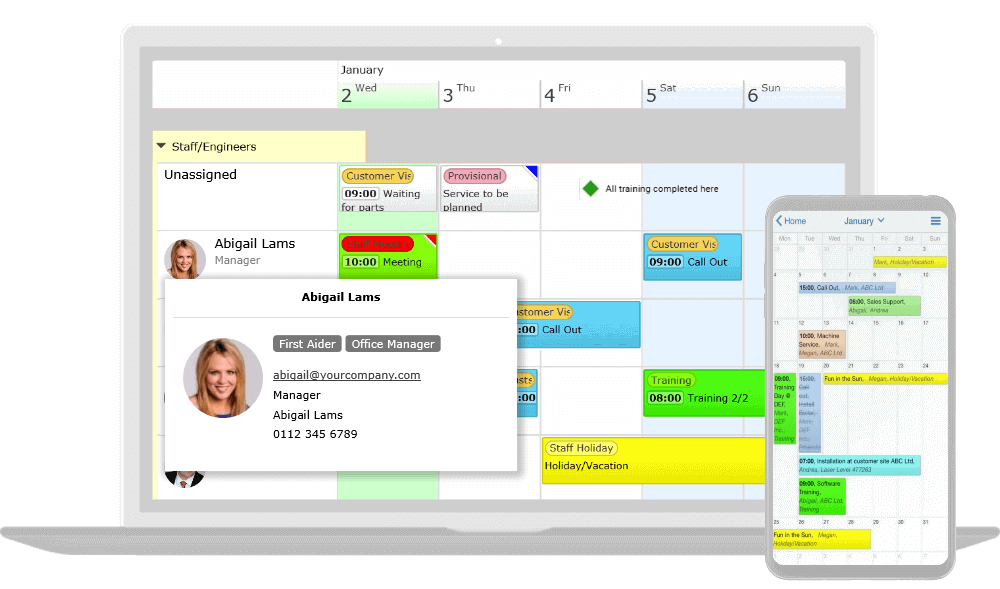
Create entrances that are rich and useful, using a constant style: Name Company Function Notes/Time Zone/Links. : "Ben Jones Acme Ltd Q4 pipeline testimonial Zoom web link + deck; USUK, add buffer." Below are some of the finest schedule applications to make use of. Colour-code calendars so you can check the week at a glimpse and see where time really goes client work vs.Stagger tips so the right punctual lands at the right minute. For example, a very early heads-up to prepare slides, a day-before reminder for traveling or analysis and a 1015 minutes alert for the conference itself. Keep channels clear to avoid duplication or missed out on messages. For instance: utilize the 1 week/ 1 day/ 15 min series for a board evaluation: 1 week prior to: preparation pointer in a job application (e.g., "Draft board slides").

Latest Posts
What Professional Call Answering Means For Customer Retention
Customer Service Starts With A Hello: Why Phone Support Still Wins
Why Virtual Reception Works For Every Industry